Blog
Energy Storage: Paving the Way for EVs in the City
We must take a hard look at our larger energy consumption and what EVs bring to the picture – and make some critical changes around them.

Boaz Ur / Chief Business Development Officer
14 Apr 2023



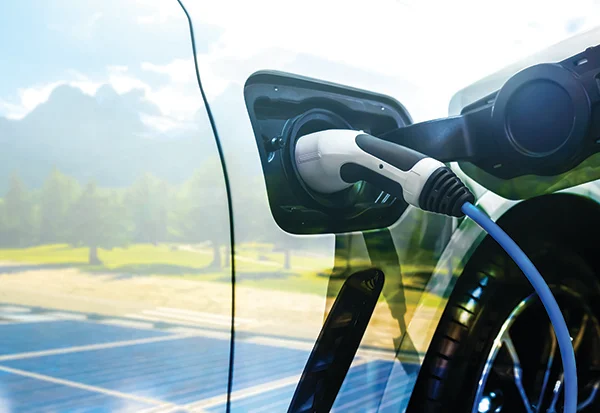
The electric vehicle revolution has been exciting to witness.
Worldwide sales of EVs – which in use, produce much less carbon emissions – have gone up a staggering 109% since 2020. This amounted to an estimated 6.6 million sales in 2021.
As this welcome, environmentally-friendly trend is only continuing to grow, we can expect our city streets to soon be filled with many more EVs and cleaner, quieter transportation.
Nonetheless, this shift will produce its own domino effect within the city’s delicate energy ecosystem. We must take a hard look at our larger energy consumption and what EVs bring to the picture – and make some critical changes around them.
What are some ripples of the EV wave?
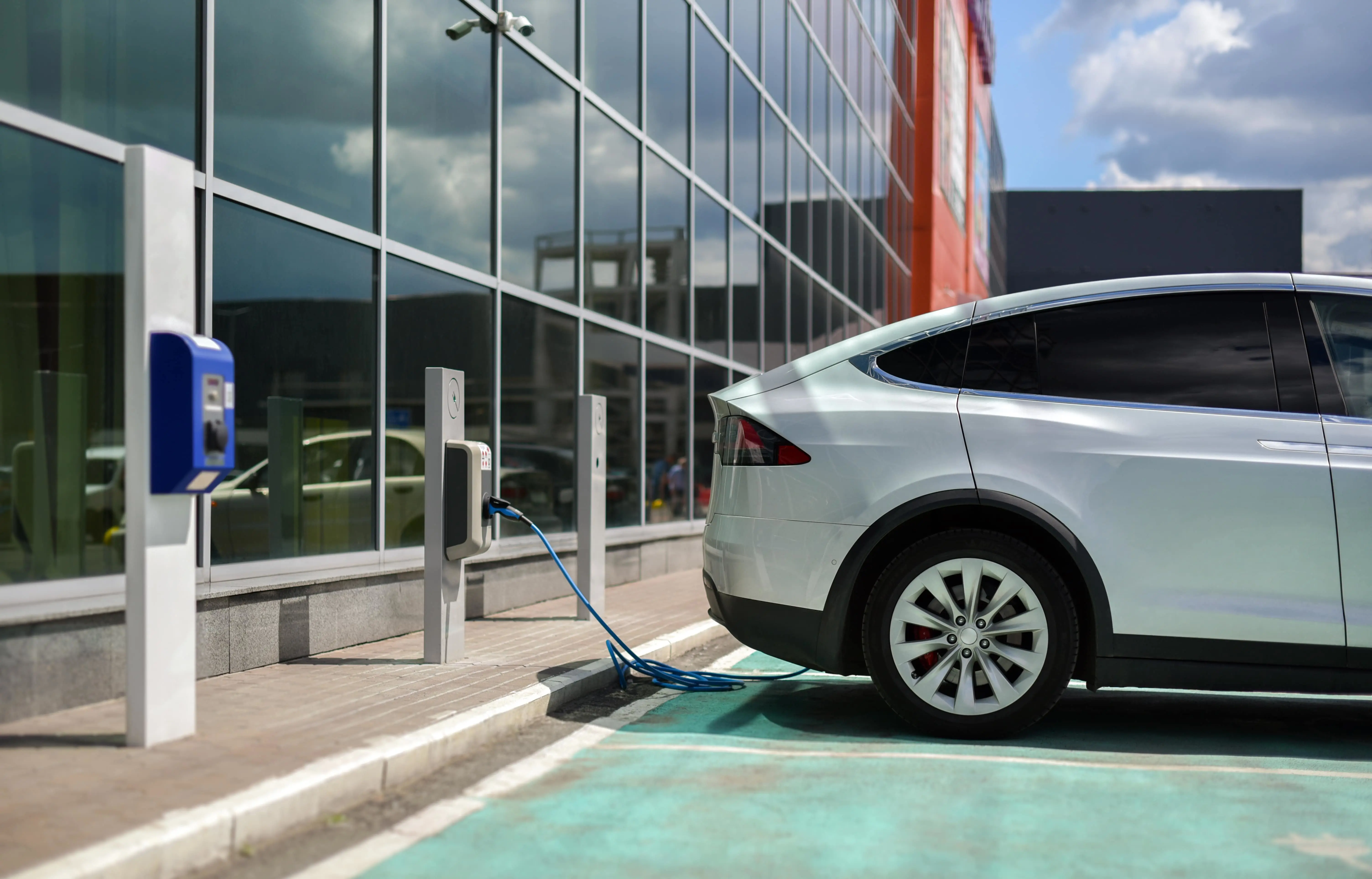
Commercial buildings require additional infrastructure to support EVs, including more charging stations.
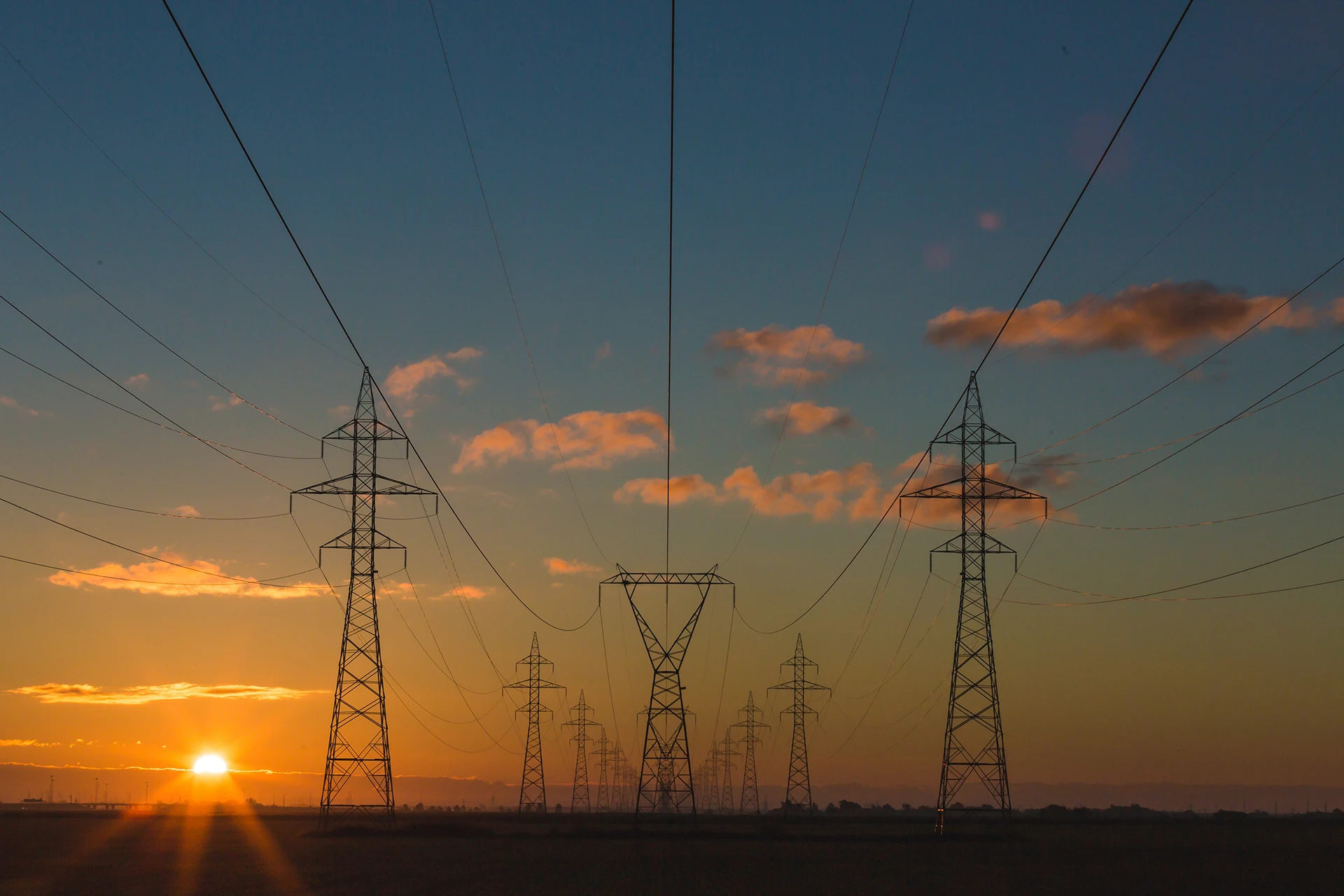
Some power grids are struggling to meet the demand of electricity needed to charge the vehicles that are currently on the road.
Buildings that would like to add charging stations will see significantly more electricity demand, often higher than the demand planned for the building originally. California has asked residents not to charge their vehicles at times of heavy power use, and other jurisdictions may implement new rules for when they can be charged.
Where do these trends point us?
As the number of EVs increases across our cities, we can predict even more of an imbalance looming. After all, other energy needs like a building’s air conditioning are not going away, decreasing, or changing their requirements to accommodate the EVs. There will simply be a greater overall demand.
But the answer to this problem is not about pumping more energy to fill the larger need. The grid can’t keep up with it – and regardless, buildings don’t want the extra cost and increased carbon footprint that come in tow.
The answer is also not even about using less electricity.
Rather we must figure out how to do more with what we have in order to meet the need.
How can we smartly reconfigure our cities around EV charging?
We need to look holistically at each building’s energy uses and needs. This includes its EV charging – but also its air conditioning, which is quite significant.
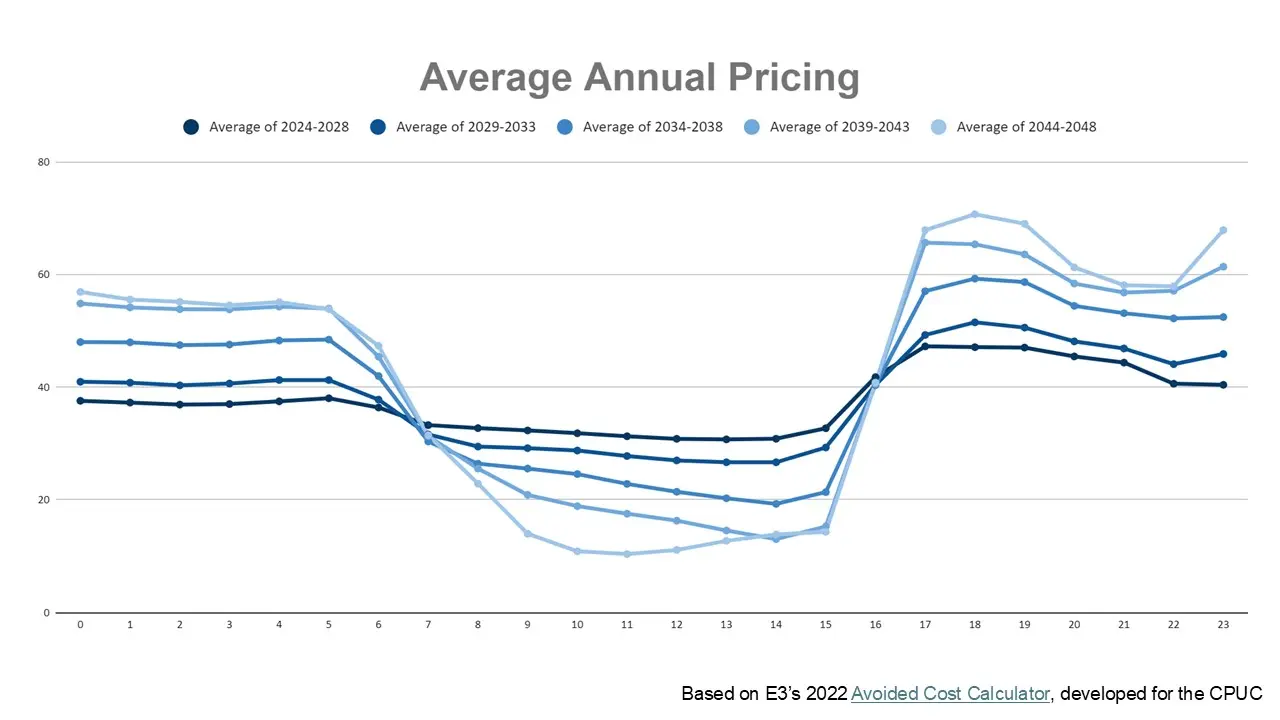
We must consider the kind of energy each building uses – and when. A building may be able to tap into cheap, clean, carbon-free energy when it is produced during the day. But its peak demand for the energy-hefty A/C happens during the early evening when it is still warm yet solar energy is not available. At that point, without other alternatives, a building will have to rely on the grid’s already-stretched, polluting, fossil-fuel energy.
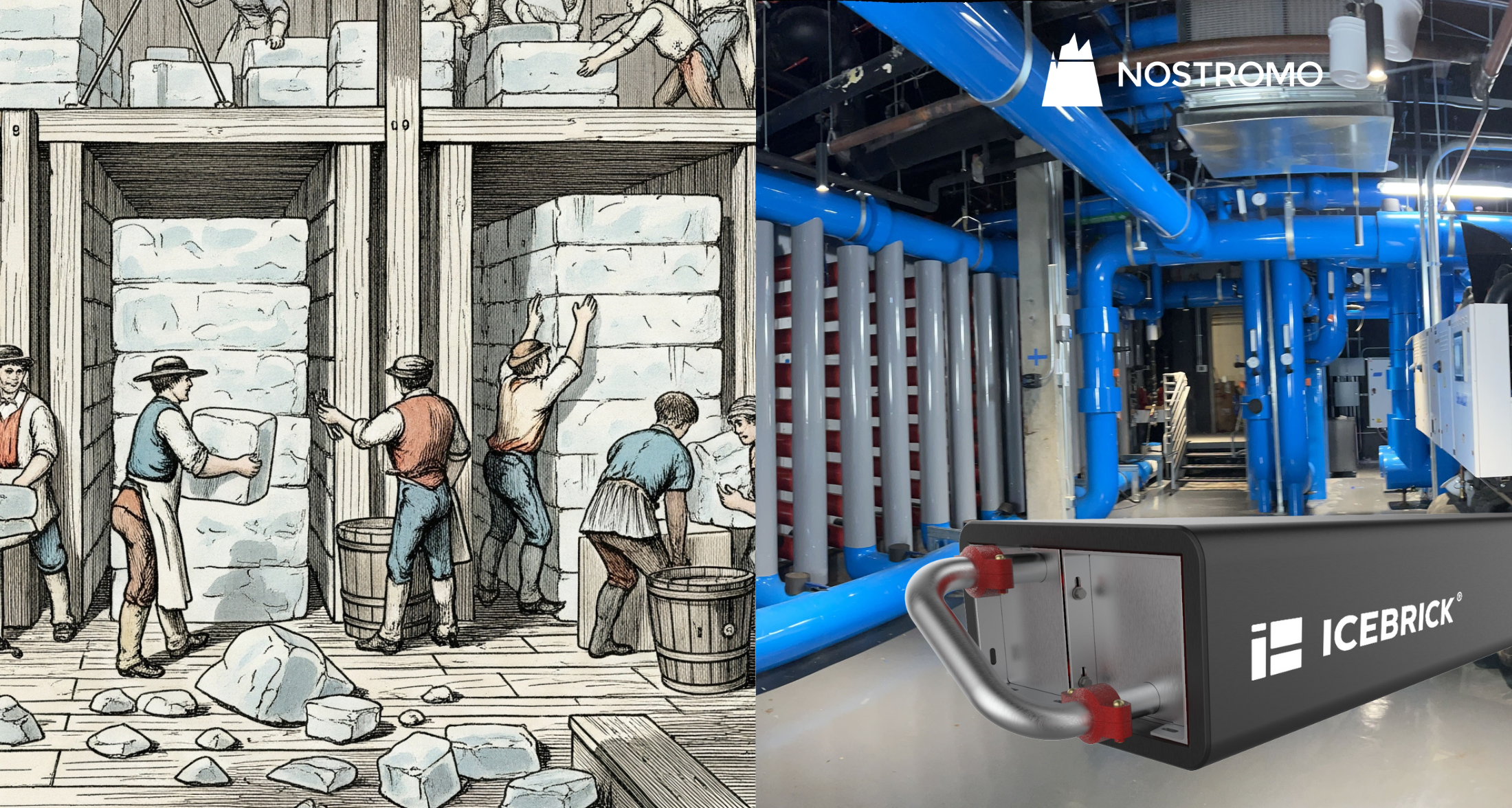
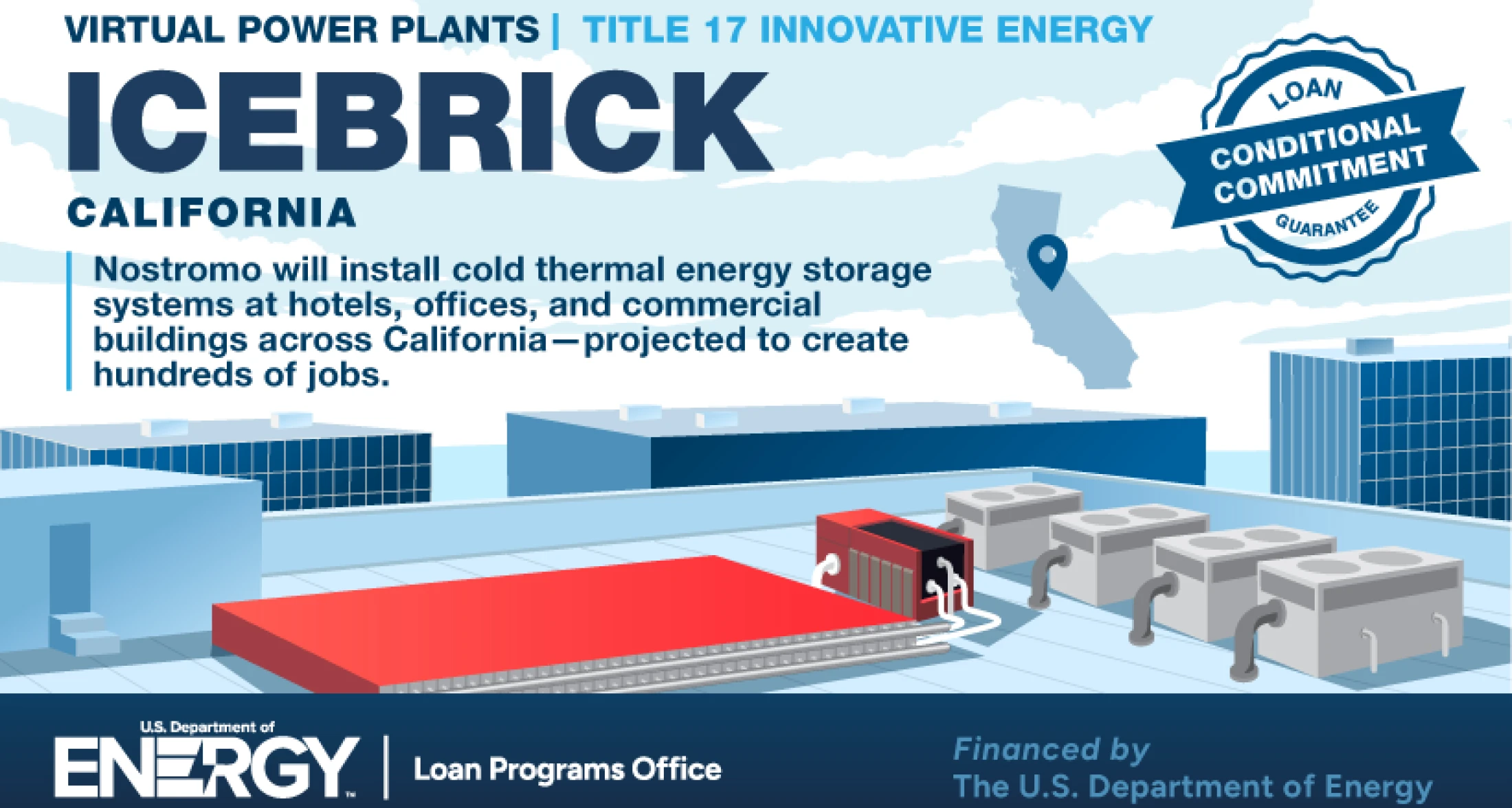
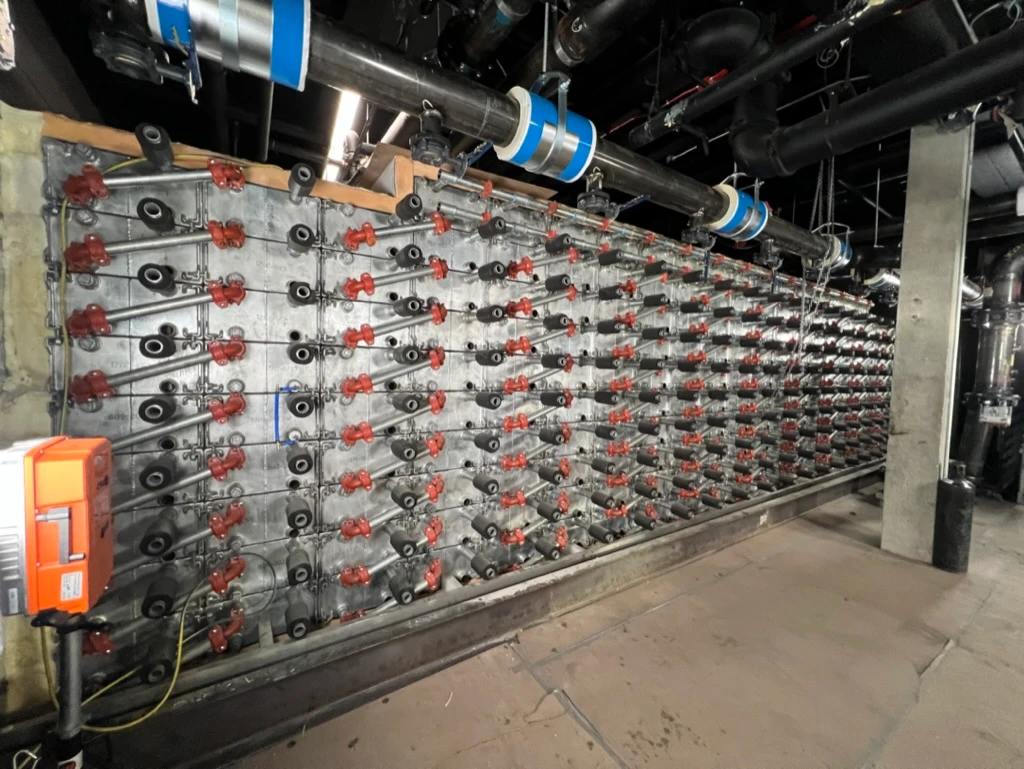
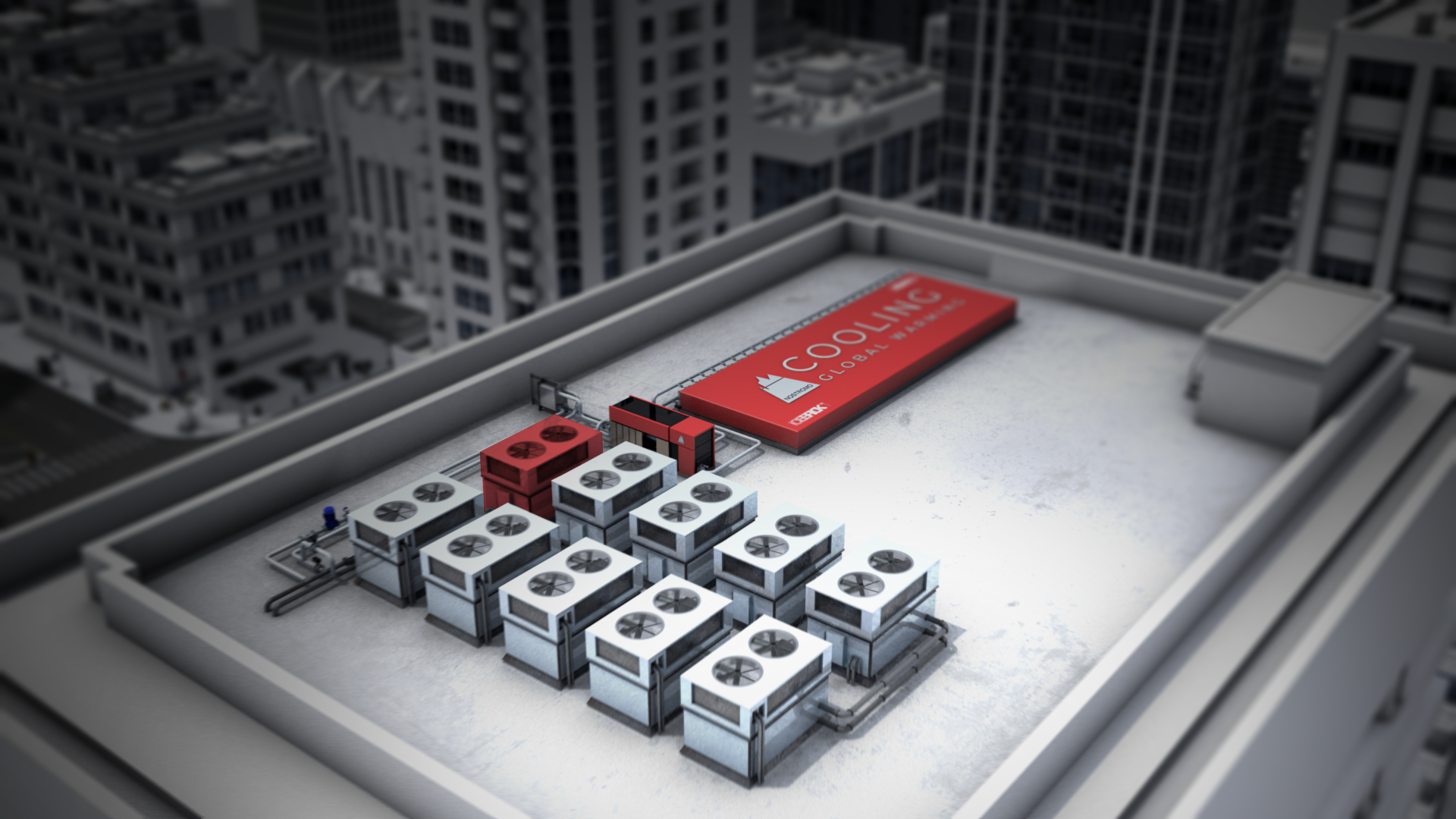
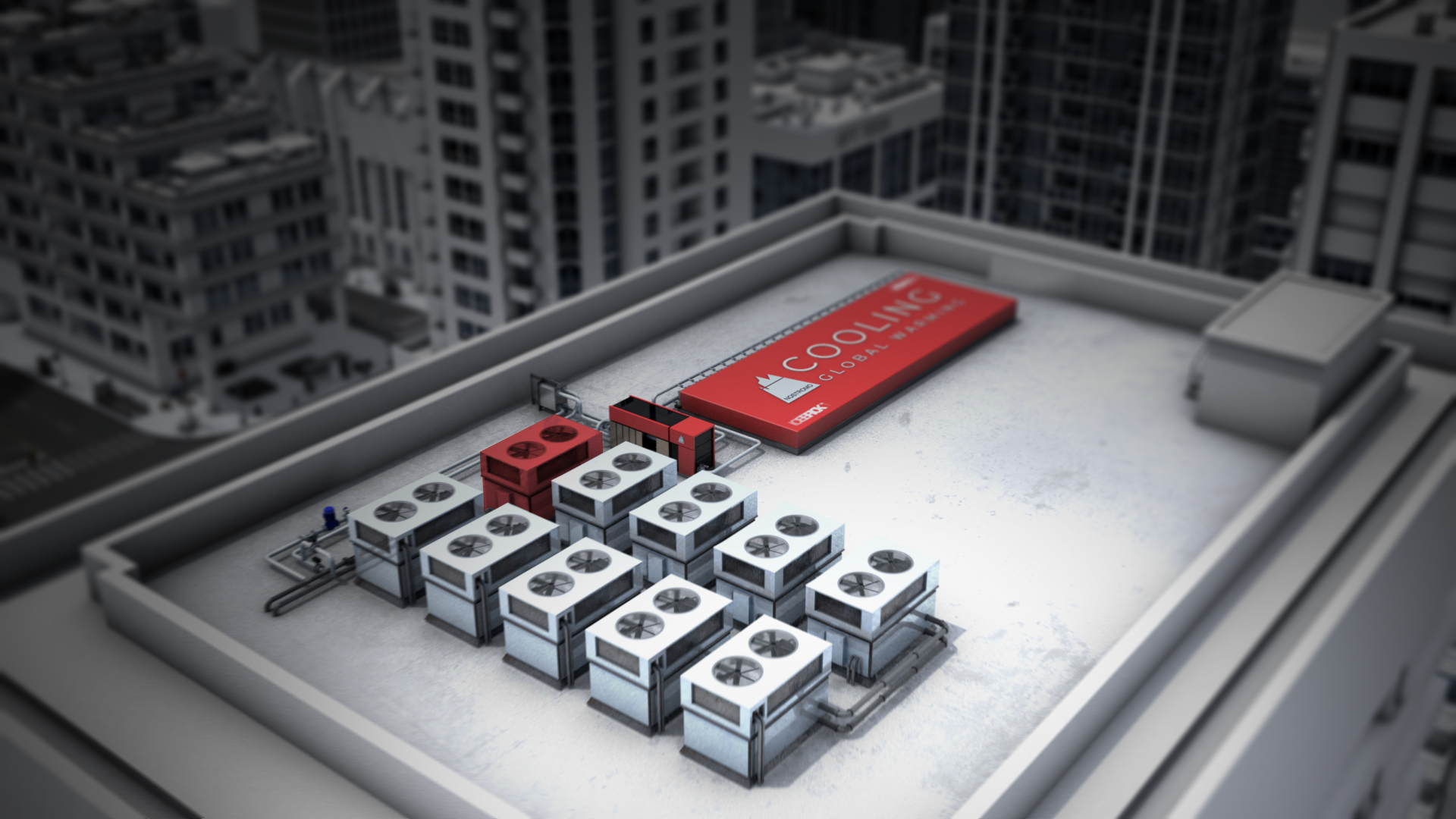
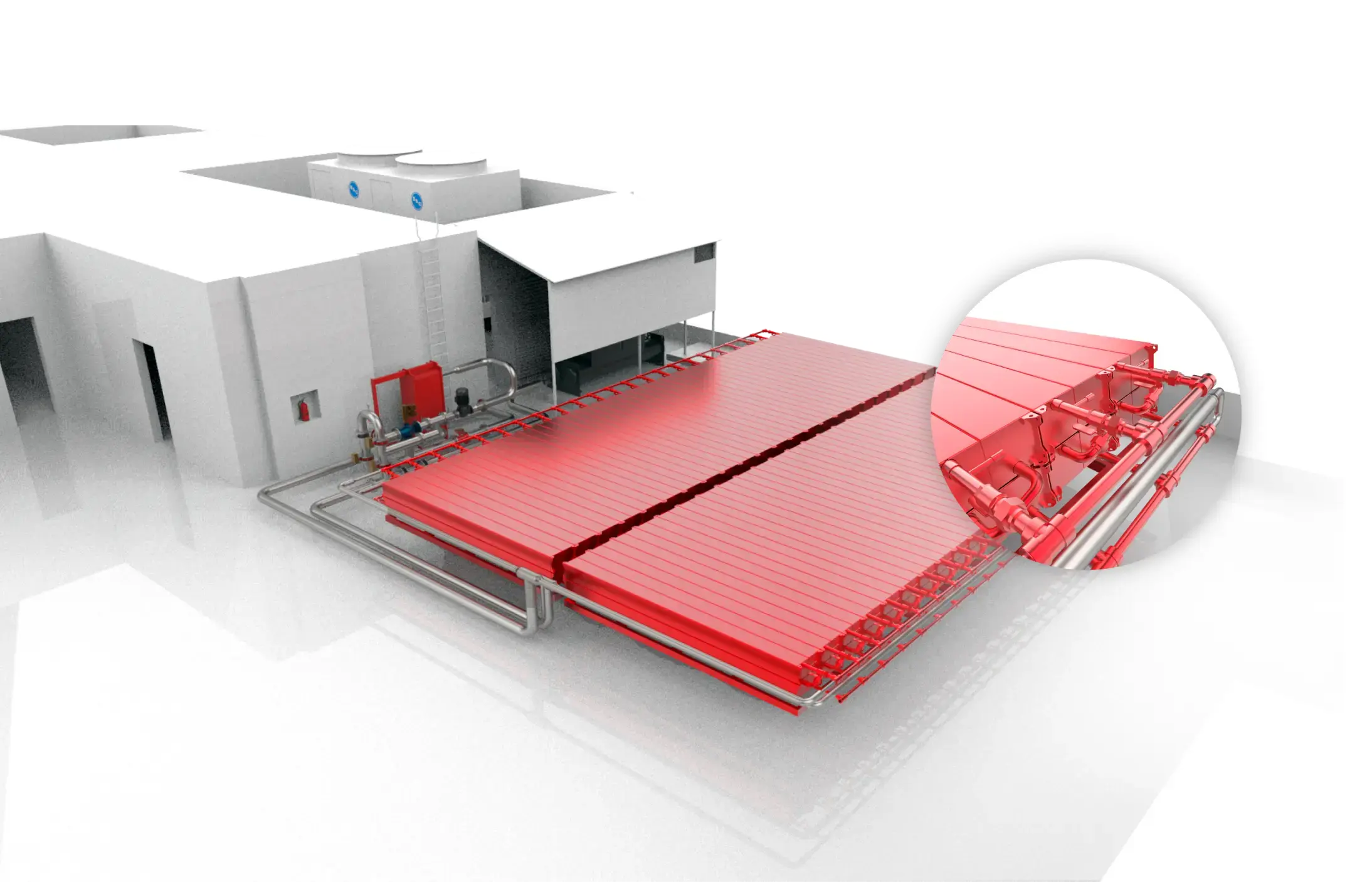
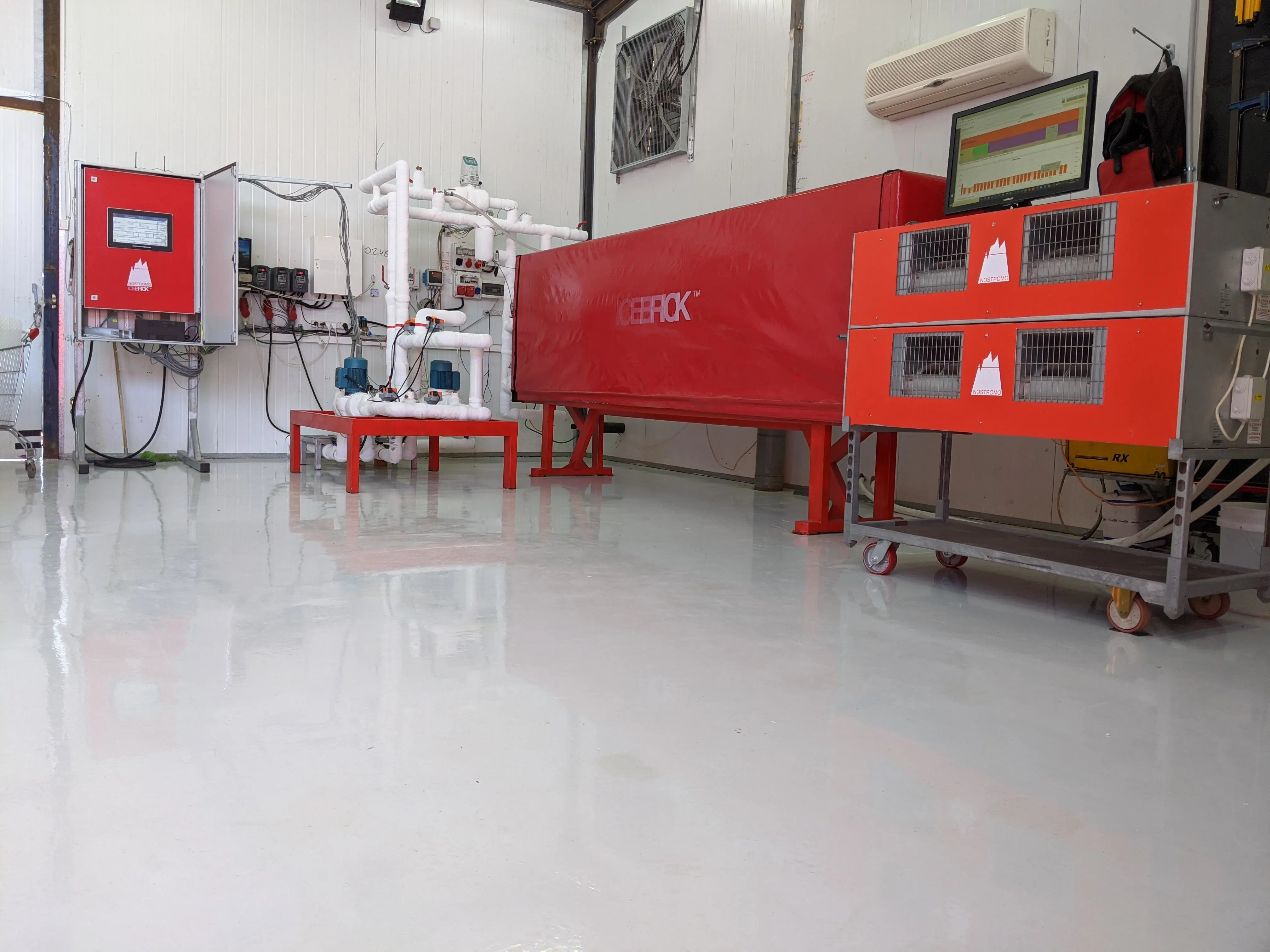
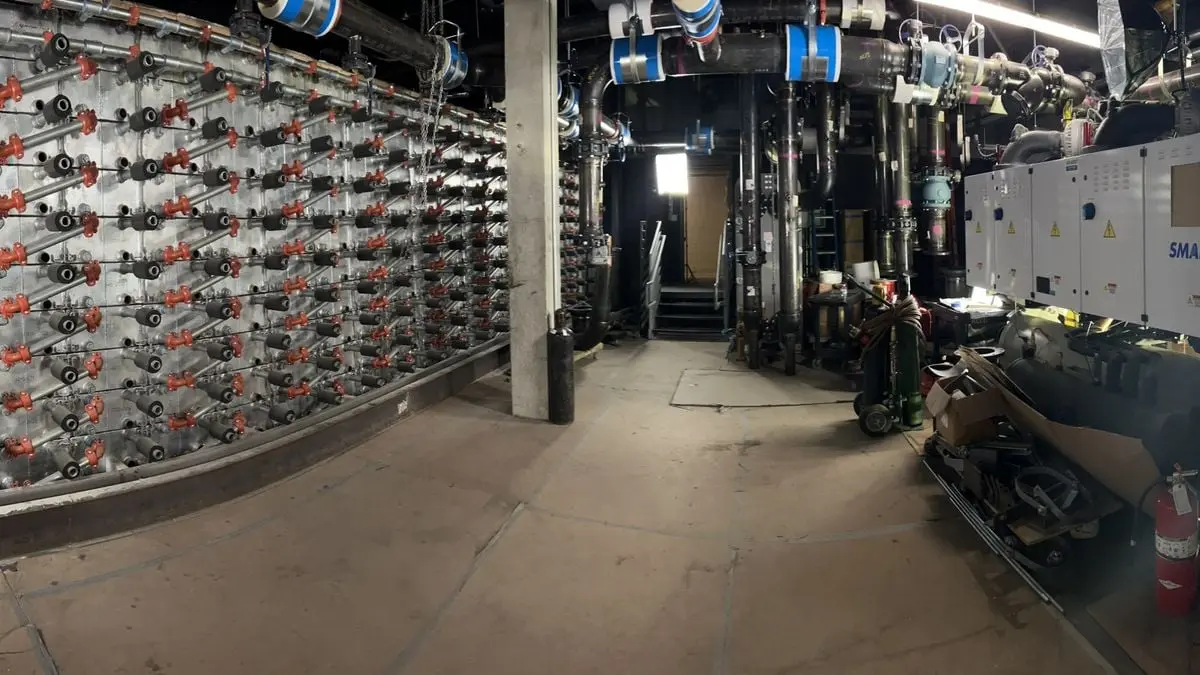
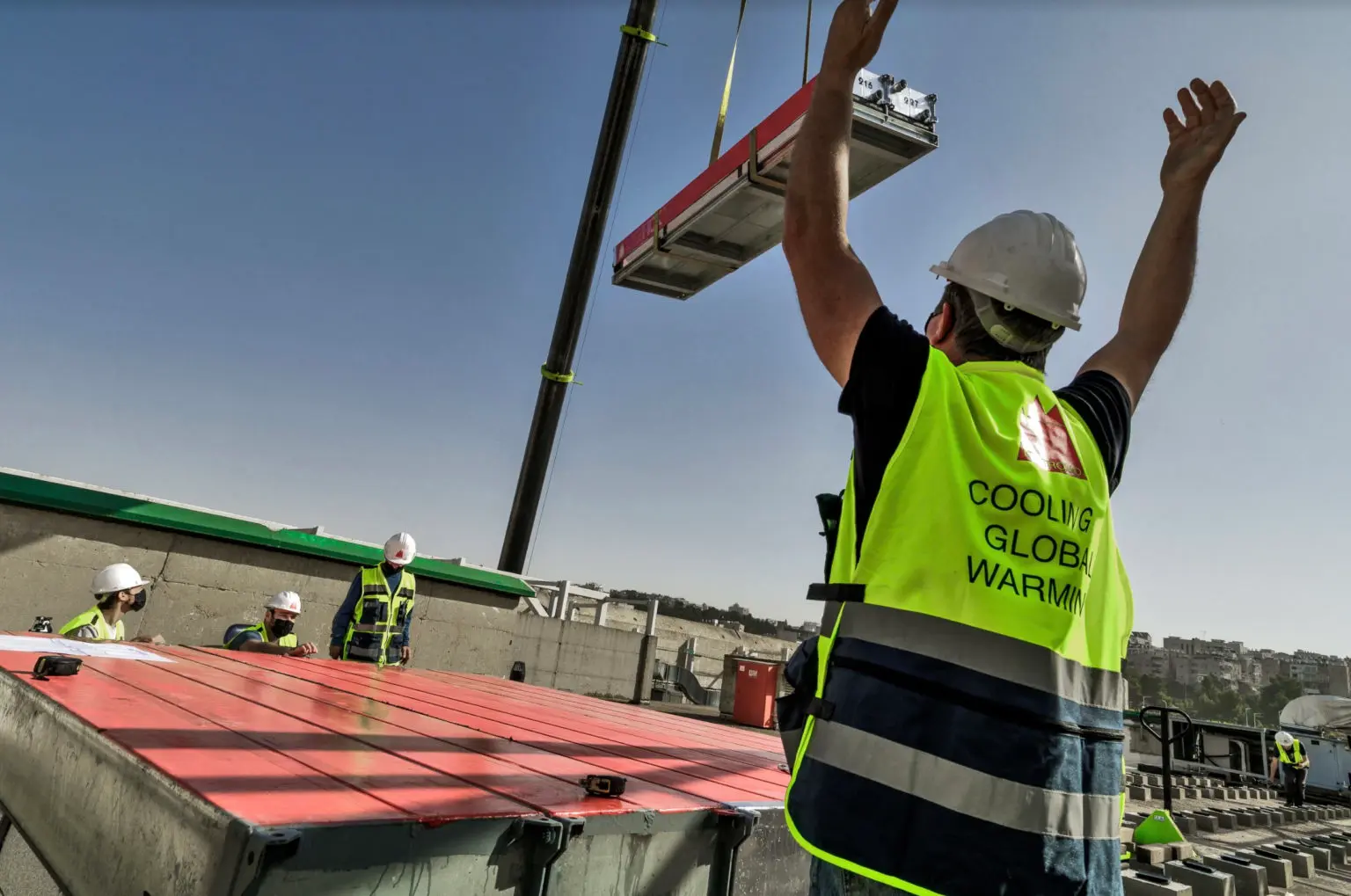
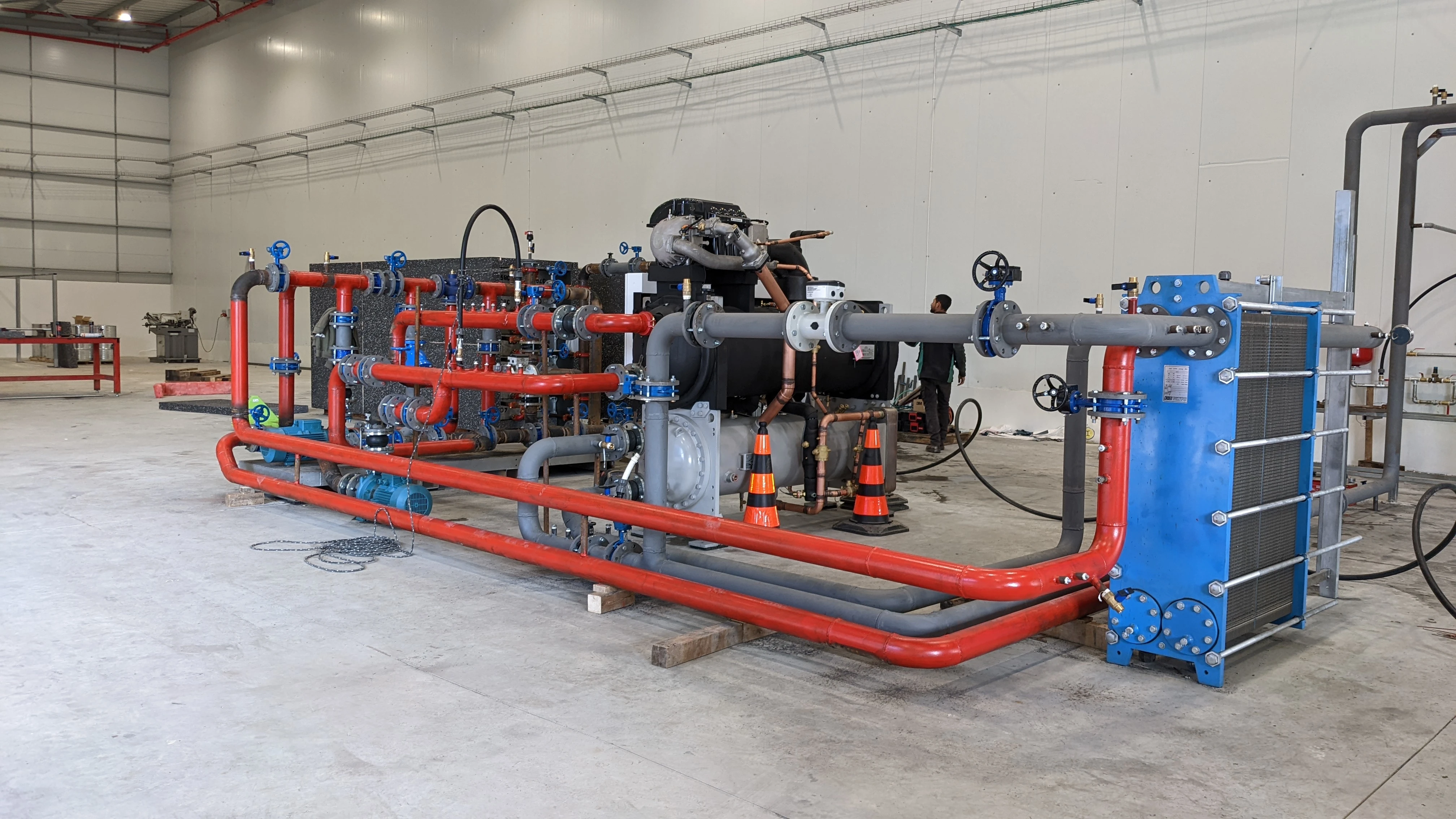
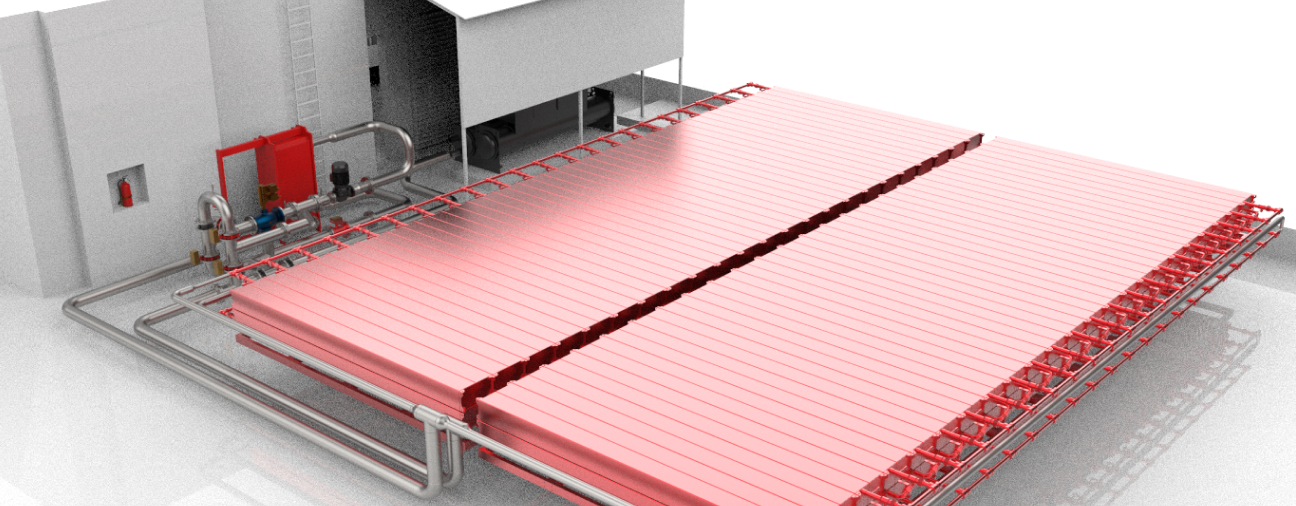
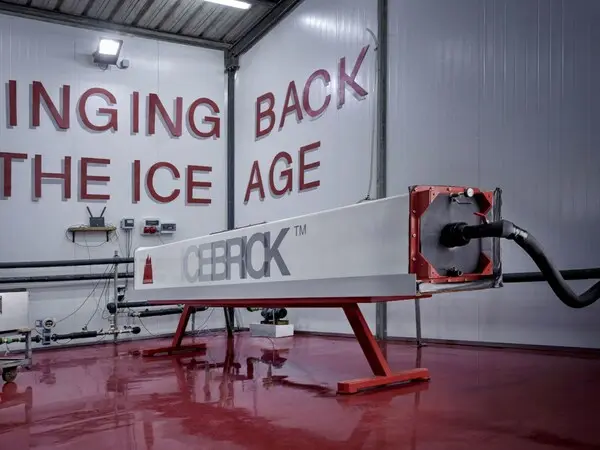
Energy storage is the answer. With a storage solution like the Nostromo IceBrick®, a building can use grid-based electricity – when it is cheaper and derived from renewable sources - to create storable energy. Then, later in the day, when all the air conditioning is used, this good, stored energy can fuel the A/C.
In this way, we can free up the necessary electricity capacity for EV charging by shifting the electricity load of the cooling system to different hours of the day – all without adding additional stress to the grid. It’s a simple, smarter reappropriation.
Will such a significant overhaul be able to keep up with EV growth?
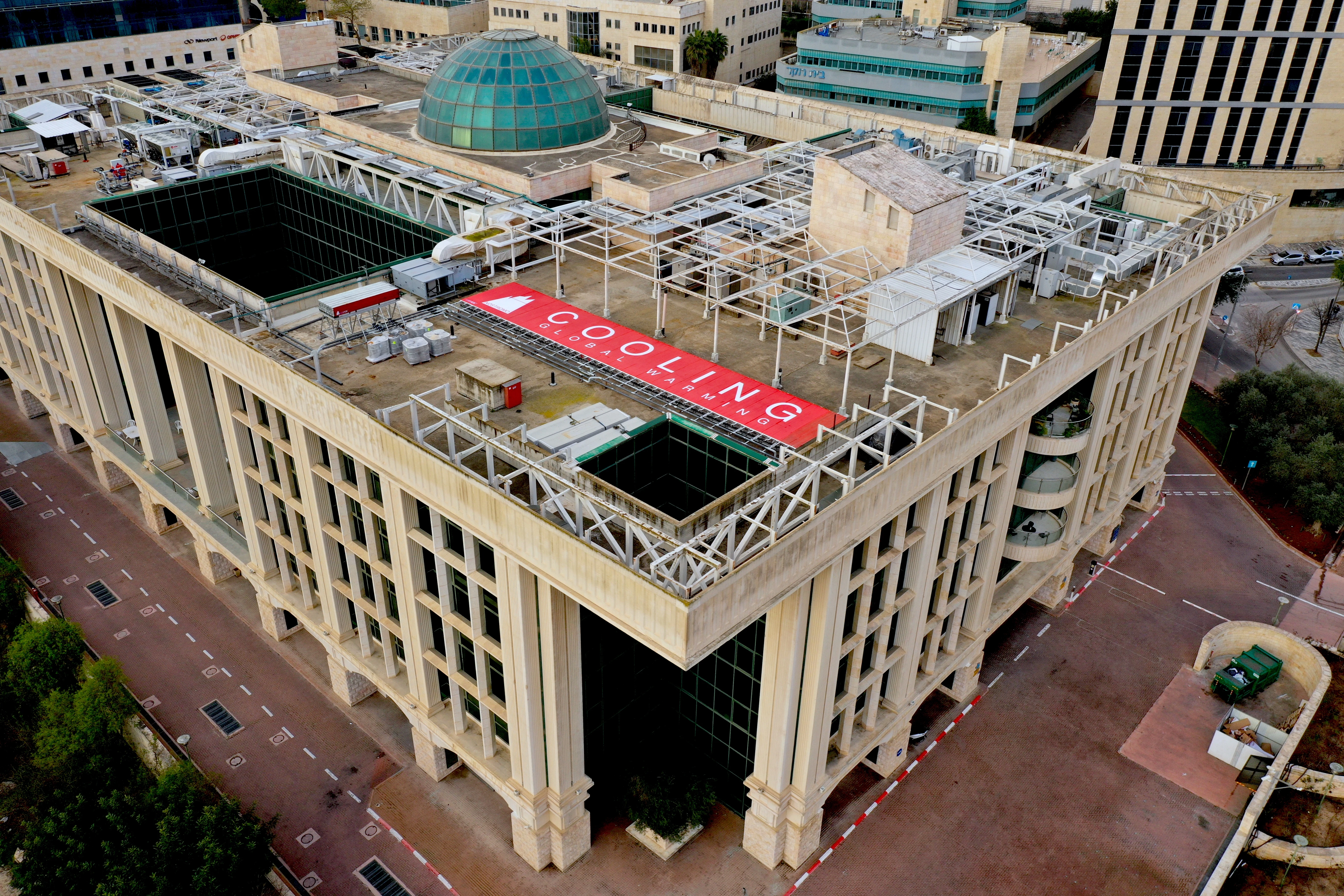
In fact, the Nostromo IceBrick® solution is ideal for this kind of development. Instead of being ‘in front of the meter’, which requires major investments in infrastructure, transmission, and distribution, Nostromo’s ‘behind-the-meter’ storage solution is compact, modular, flexible, and easily installed on the building property itself.
So, not only does it transform the site into a safe, grid-interactive asset, but it can also organically grow building by building, where needed geographically, and in stride with evolving EV charging needs.
Maybe energy storage will be essential as the EV problem deepens. But in today’s tough economy, isn’t investing in it a bit preemptive and extra?
The current EV problem will grow to be more dire in the not-too-far-off future – dealing with it now could seem like a luxury item for a tight budget.
However, in fact, energy storage also meets some other very important and immediate needs. In addition to helping mitigate urgent global warming – by utilizing cleaner energy, a storage solution reduces a building’s carbon footprint and lowers its overall energy costs significantly. These issues are front and center for all buildings today – and for the environmentally conscious individuals and bodies they report to, not to mention the planet’s well-being.
Related Blog Posts
BLOGS